
Heber Valley Fall Planting Guide
Best Evergreen Trees and Shrubs to Plant This Fall
Fall is one of the best times of year to plant evergreens in Heber Valley. Cooler air, warm soil, and fewer scorching afternoons give new trees and shrubs a chance to grow roots before winter, so they head into spring established and ready to put on new growth.
At Country Gardens & Nursery, we help homeowners in Heber, Midway, and Park City choose evergreens that can handle mountain winters, dry summers, and hungry deer. Here are the trees and shrubs we recommend, plus how to plant them so they thrive.
Why Fall Works
Why Fall Is Prime Time for Evergreens
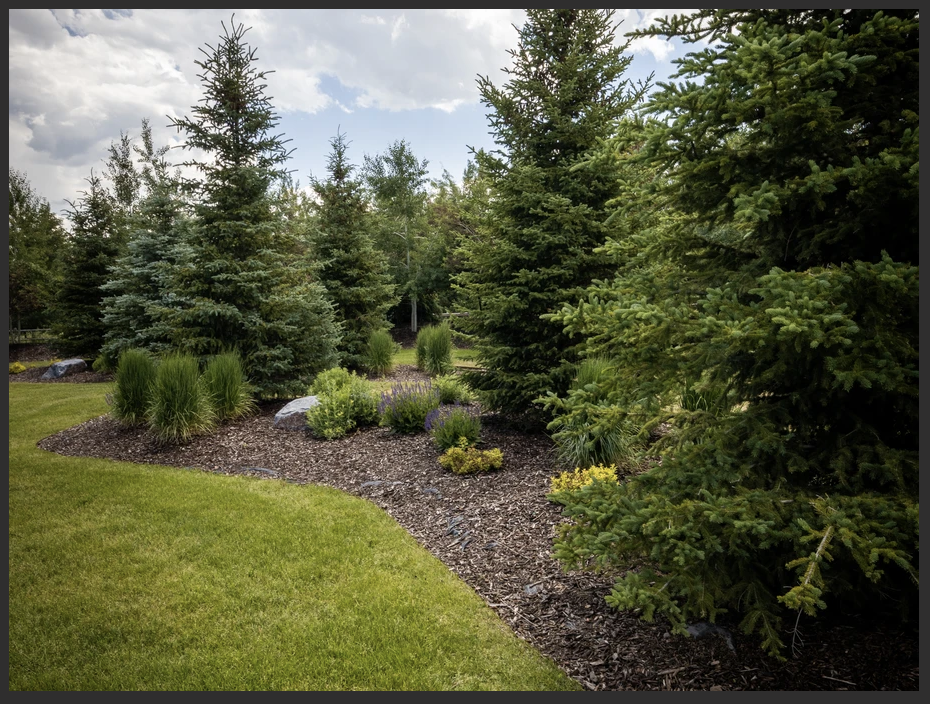
Heber sits at roughly 5,600 feet, where summers are hot and dry and winters are long and cold. A tree planted in spring faces its first summer heat before its roots have spread. Planting in early fall flips that timeline: the soil stays warm enough for roots to keep growing for weeks after the air cools, and cooler days put less stress on needles and foliage.
Evergreens hold their needles all winter, so they keep losing moisture even when the ground is cold. That makes timing more important for evergreens than for trees that drop their leaves. Aim to have new evergreens in the ground by mid-October so their roots can settle in before the soil freezes.
Proven Picks for Mountain Yards
Evergreen Trees and Shrubs for Northern Utah
Colorado Blue Spruce
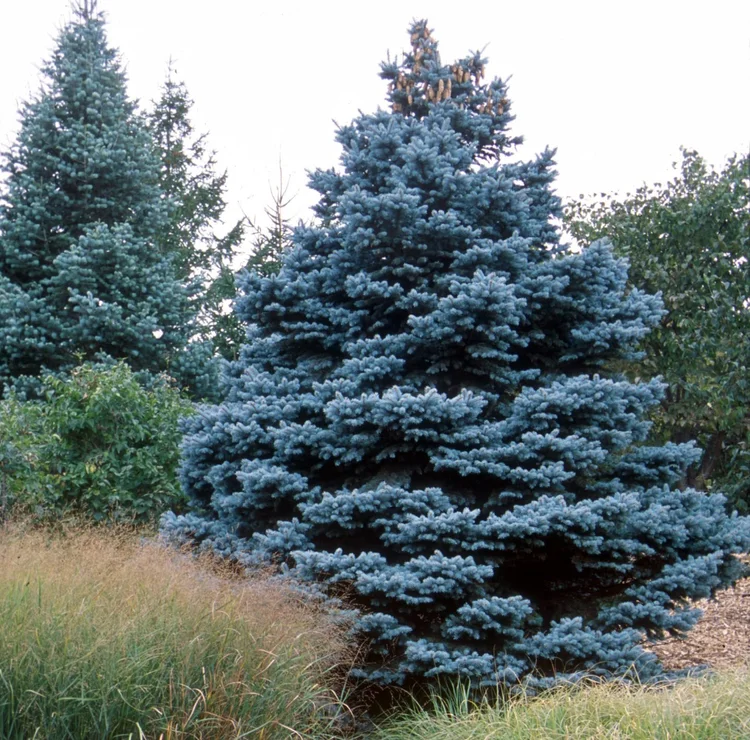
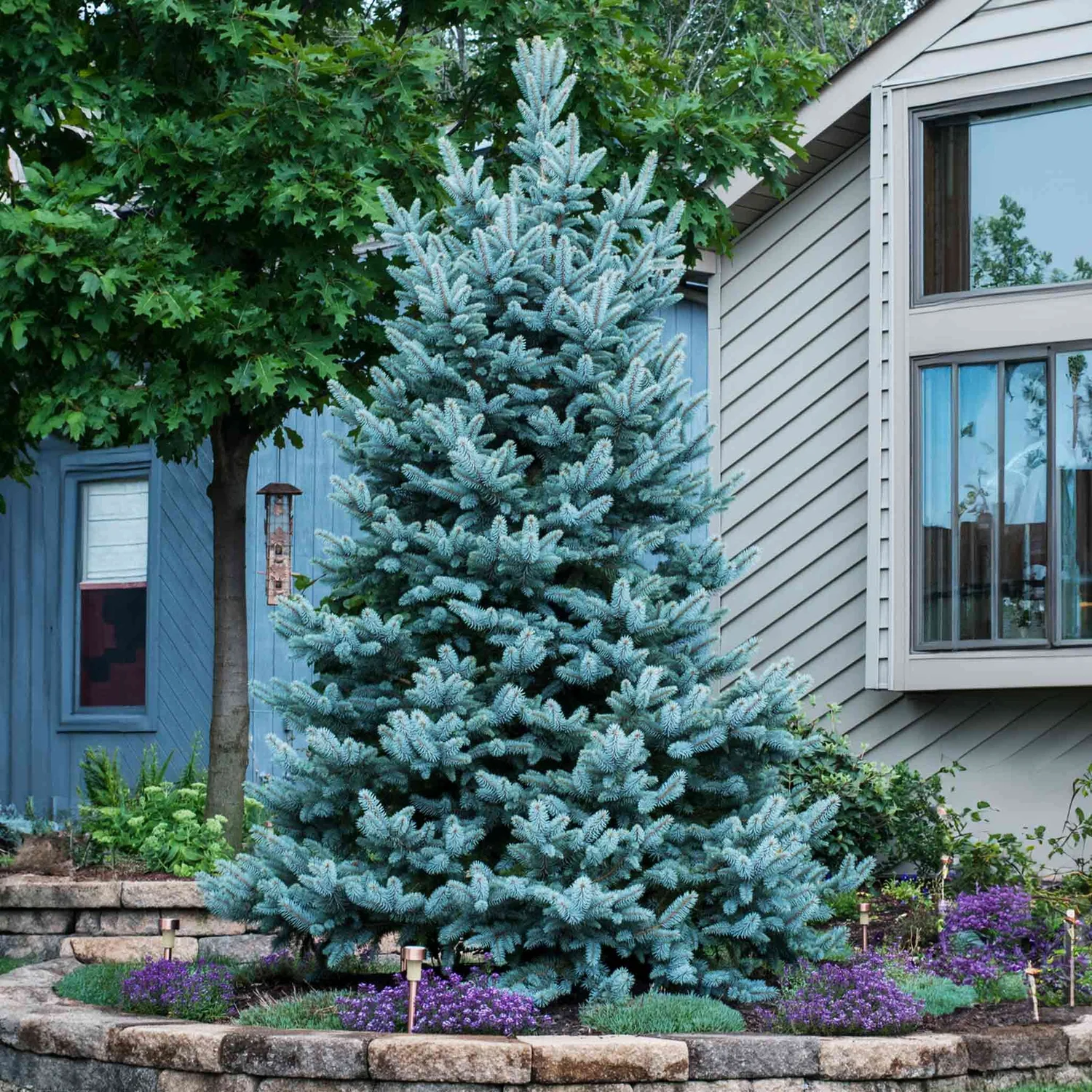
Native to the Rocky Mountains, Colorado blue spruce is a classic choice for Heber Valley yards. Its silvery blue needles hold their color through the snow, and its dense, pyramid shape makes an excellent windbreak or privacy screen. Give it room to grow: mature trees can reach 50 feet or more in height and 10 to 20 feet in width.
Pines and Firs
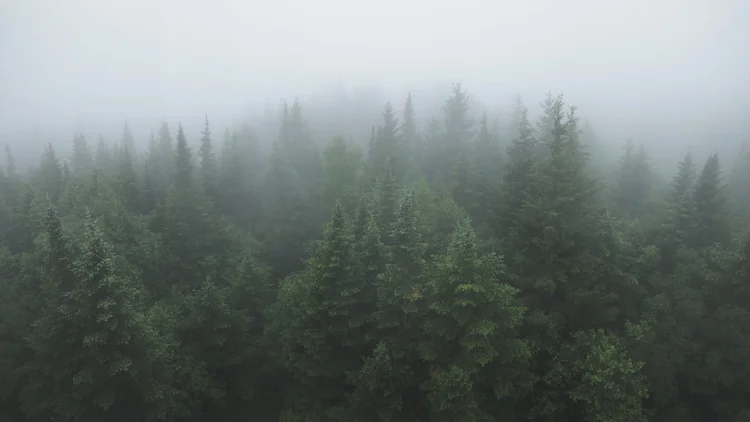
Austrian pine handles wind, heavy clay, and alkaline soil well, which makes it a dependable screen for open lots. Limber pine is native to Utah's mountains, tolerates drought once established, and has flexible branches that bend under heavy snow instead of breaking. For a softer look, concolor fir (also called white fir) offers blue-green needles with a pleasant citrus scent.
Match the Evergreen to the Spot
Before you choose, think about mature size, sun exposure, and where snow slides off the roof or piles up from the plow. A tree that looks small in its container can outgrow a narrow side yard within a few years, so plan for the plant it will become.
- Privacy screens and windbreaksColorado blue spruce and Austrian pine
- Dry, sunny slopesLimber pine and Rocky Mountain juniper
- Foundation plantingsMugo pine, compact junipers, and boxwood
- Ground cover for banksCreeping juniper
- Yards with frequent deerJunipers, spruce, and pines, which deer usually pass over
Junipers
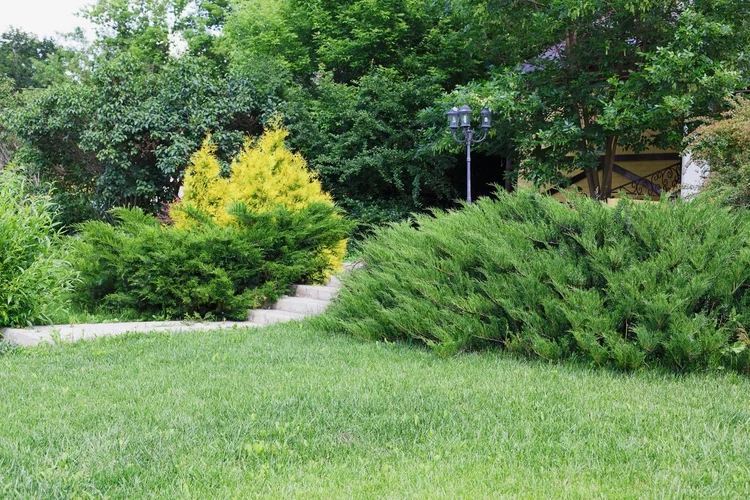
Few shrubs are as tough as junipers in Heber's climate. They come in nearly every shape, from low, spreading ground covers to upright columns for narrow spaces, and most prefer full sun and well-drained soil. Once established, they need little water, and deer usually leave them alone.
Mugo Pine and Boxwood
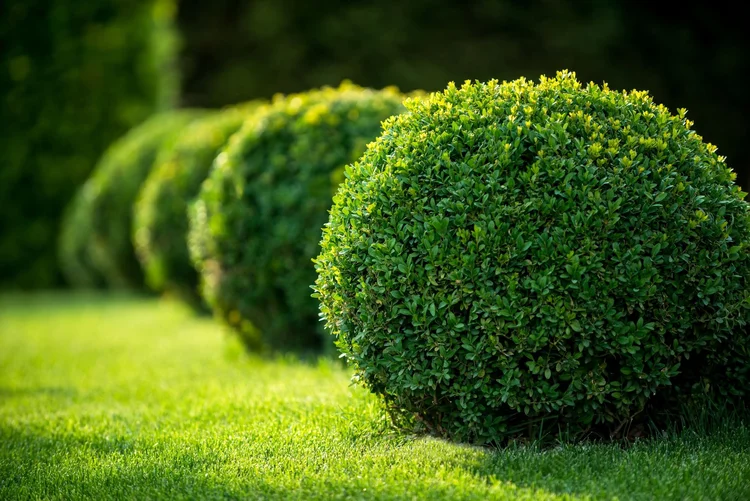
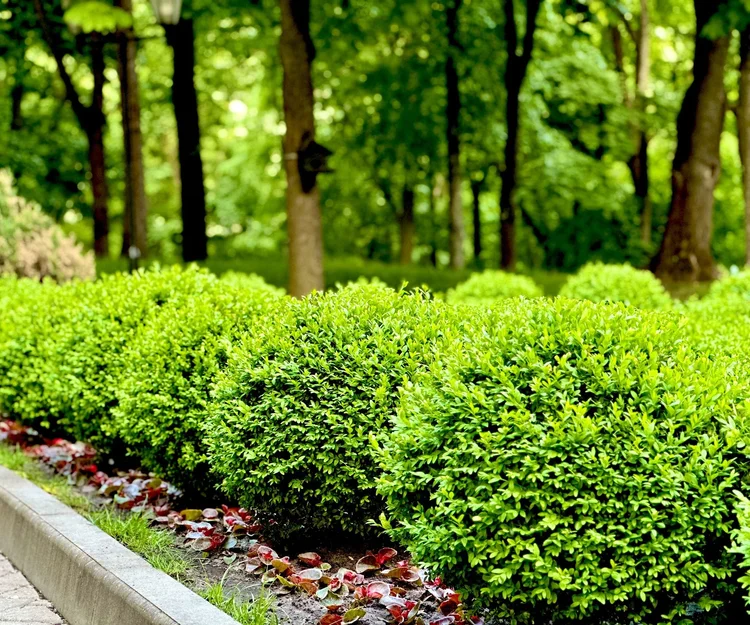
For foundation beds and borders, dwarf mugo pine forms a dense, rounded mound that shrugs off cold and snow. Hardy boxwood varieties add formal structure near entries and walkways. Plant boxwood where it gets some shelter from winter wind and afternoon sun to help prevent winter browning.
Step by Step
How to Plant Evergreens in the Fall
- Dig wide, not deep. Make the hole two to three times as wide as the root ball but no deeper, so the root flare (where the trunk widens at the base) sits at or slightly above the soil line.
- Open up the root ball. Gently loosen circling roots on container plants. For balled and burlapped trees, set the tree in the hole first, then cut away the wire basket and burlap from the top and sides.
- Backfill and settle. Refill the hole with your native soil, mixing in a modest amount of compost if your soil is heavy clay or very rocky. Water as you go to remove air pockets.
- Hold off on fertilizer. High-nitrogen fertilizer this late in the season can push tender new growth that winter will damage. Save regular feeding for spring.
Not sure what your soil needs? Bring a photo of your planting spot and our team can recommend the right soil amendments for it.
Before the Snow Flies
Mulch and Water Through Winter
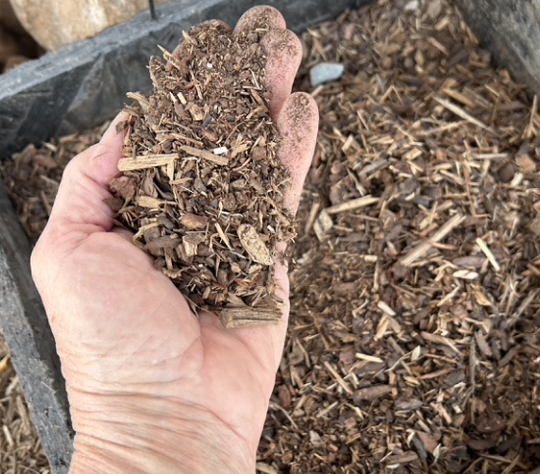
A 2 to 4 inch layer of mulch over the root zone holds in moisture, evens out soil temperature, and helps protect new roots from repeated freezing and thawing. Keep mulch a few inches away from the trunk so the bark stays dry.
Water new evergreens deeply at planting, then about once a week during dry stretches until the ground freezes. Heber winters can go weeks without snow, so on mild days when temperatures climb above 40°F and the soil is not frozen, give young evergreens a deep drink around midday. Our guide to watering smart in Heber's dry summers covers deep watering in more detail.
In exposed, windy spots, a loose burlap screen on the south and west sides can reduce winter burn on young evergreens. If deer visit your yard often, a simple wire cage around new plantings for their first winter goes a long way. For more ideas, see our list of deer-resistant plants that look beautiful.
Plan Your Fall Planting
Find the Right Evergreen for Your Yard
The fall planting window is short at our elevation, so now is the time to get new evergreens in the ground. Stop by Country Gardens & Nursery in Heber City to see our current selection of evergreen trees and shrubs, or ask about special orders and delivery. Our team is happy to help you choose plants that fit your space, your soil, and your goals.